

K-Beauty insights
Can You Use a Sleeping Mask Every Night?
In the ever-evolving world of skincare products, one category that has gained popularity is the overnight sleeping mask. Hailing from Korea, the home of beauty innovation, sleeping masks work while you rest, promising to leave your skin refreshed, refined and revitalised by the time you wake up. But can you use a sleeping mask every night? Scroll down to find out.

Understanding skincare sleeping masks
Overnight = leave-onSkincare sleeping masks (also called overnight masks or sleeping packs) are leave-on treatments designed to be applied before bedtime. They’re moisturiser-adjacent, but not quite the same thing.
The difference between a sleep mask vs a regular moisturiser:
Sleeping masks are typically lightweight (often gel or jelly textures) and create a more noticeable “seal”. That seal helps reduce overnight water loss and keeps hydrating ingredients sitting on the skin longer, which is why you can wake up with that plumper, smoother feel.
In other words: a good sleeping mask is equal parts hydration, barrier support and overnight comfort. It should feel like your skin is wrapped up safely, not smothered.
The benefits of skincare sleeping masks
Barrier-friendly glow- Stronger hydration: Sleeping masks are packed with hydrating ingredients (think humectants like glycerin) that help replenish moisture levels, leaving skin plumper and bouncier.
- Barrier support: Their occlusive nature helps strengthen the protective barrier, reducing overnight water loss and keeping external irritants at bay.
- Brighter, softer skin: With consistent use, they can help skin look smoother and more even, especially if your skin tends to look “tired” by the end of the day.
- Better ingredient uptake: Extended contact time can make hydrating and soothing ingredients feel more effective, because they’re sitting on the skin longer (instead of evaporating off).
- Convenient: A sleeping mask is a “lazy but smart” step. It can replace or simplify the last part of your routine when you can’t be bothered layering five things.
- Lower waste than single-use masks: One jar can last dozens of uses, which means less packaging waste than sheet masks.
The real win: sleeping masks make it easier to stay consistent. And consistency is what actually changes skin.
Podcast: Korean beauty sleeping masks
Quick listenWant a deeper dive into how sleeping masks fit into Korean routines (and what to look for)? Tune into this episode of The Korean Beauty Show.
Can you use a sleeping mask every night?
It dependsHow often you use a sleeping mask depends on your skin type, your climate, and the specific formula. The goal is simple: wake up comfortable and calm. Not slick, congested, or irritated.
Nightly use can be great if:
- your skin is dry or dehydrated
- you're experiencing increasing dryness with age
- you’re using actives that make you feel drier (like retinoids or acne treatments)
- you live in a harsh climate (cold, wind, lots of indoor heating or air con)
- your barrier is feeling “thin” and easily reactive
Nightly use may be too much if:
- your skin is oily and congestion-prone
- you’re already layering heavy products at night
- you wake up feeling greasy or notice more clogged pores
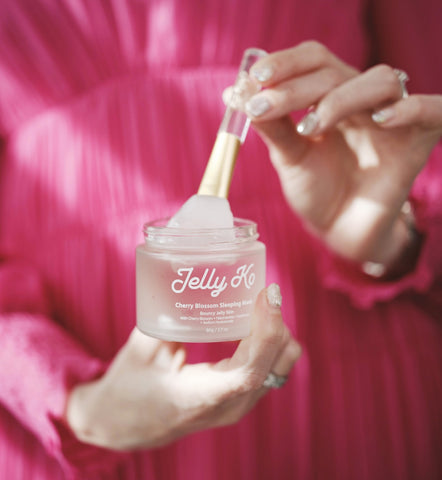
Jelly Ko’s Best of Beauty Award winning Cherry Blossom Sleeping Mask picked up Prevention's award for "Best Sleep Mask" thanks to a formula that is suitable for all skin types, but works especially well for skin over 40.
The lightweight jelly texture melts into skin without feeling greasy or pore-clogging, which makes it one of those rare “you can use it often” masks.

How to get the most out of your sleeping mask
Use it smarterHere’s how to think about frequency based on your skin type:
- Nightly use: If you have dry or dehydrated skin, nightly use can give consistent hydration and comfort. Mature skin and harsh climates often love this approach.
- Alternate nights: For normal or combination skin, every other night can be the sweet spot. Enough barrier support, without feeling heavy.
- Weekly use: If you have oily or acne-prone skin, 1–2 nights a week may be plenty. If you’re on drying acne treatments, you can increase use to balance things out.
Listen to your skin: If you notice irritation, stinging, or new congestion, reduce frequency. If you’re waking up comfortable and bouncy, you’ve nailed it.
Application tips:
- Use it as the final step of your routine (after serums / moisturiser).
- Start with a thin layer. You can always add more, but you can’t un-smother your face.
- If you’re dry: apply a slightly thicker layer on cheeks and around the mouth.
- If you’re combo: apply a thin layer all over, then spot-boost only where you feel tight.
Whatever you do, make sure you don't wash it off! This is a leave-on style of mask that is designed to do its best work during your skin's Golden Time (aka 10pm to 2am).

TL;DR: can you use a sleeping mask every night?
Yes, sometimesSleeping masks can be a valuable addition to your nighttime routine because they provide concentrated hydration and barrier support. You don’t have to use one every night. The key is working out what your skin actually needs. Whether you choose nightly use, alternate nights, or weekly use, pay attention to your skin and adjust accordingly.
Remember: a holistic approach to skincare (balanced diet, proper hydration, and consistent sun protection) will always amplify your results. Find the frequency that keeps your skin calm, comfortable, and glowing.
Want more K-Beauty tips, tricks and real-world insights?
Tune inIf you like skincare that’s practical (not performative), come hang out with us on The Korean Beauty Show. We break down Korean routines, trending ingredients, what actually matters for barrier care, and how to make K-Beauty work for real life.
Best place to start: the sleeping masks episode you saw above, then browse by topic (dry skin, well-aging, ingredients, routines).